Industry Insights
What Is a Traffic Management Plan (TMP) and When Do You Need One in Victoria?


Quick answer: A traffic management plan (TMP) is a document that explains how traffic will be managed safely around works or an event on or near a road. In Victoria, you generally need one whenever your work affects the normal movement of vehicles, cyclists or pedestrians on a road, footpath or road reserve. That covers roadworks, lane or footpath closures, crane lifts, large deliveries and events on public roads. Road authorities and principal contractors will usually ask to see one before work starts.
If you're planning a project in Victoria, a good TMP keeps workers and the public safe, keeps your permits on track and stops delays on the day. This guide covers what a TMP is, what goes in it, and how to tell if your job needs one.
What Is a Traffic Management Plan?
A traffic management plan sets out how a worksite or event will deal with the traffic around it. "Traffic" here means everyone using the road or footpath:
- Drivers and heavy vehicles
- Cyclists
- Pedestrians, including people with prams, wheelchairs or mobility aids
- Public transport
- Emergency vehicles
- Workers on site
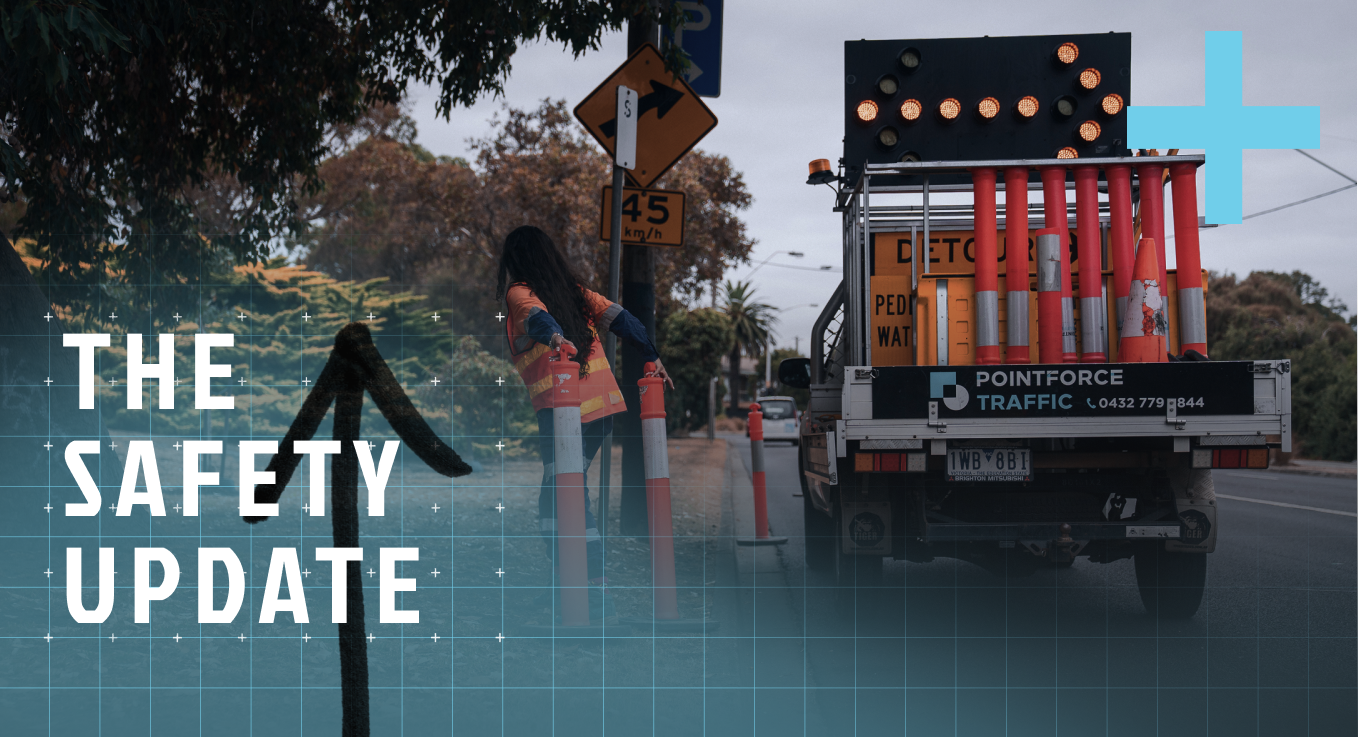
The plan looks at the risks your work creates for these road users and explains how you'll control them. That could mean signs and cones, a lane closure, a lower speed limit, a detour, traffic controllers on stop/slow bats, or a mix of all of these.
TMP vs Traffic Guidance Scheme (TGS)
The two terms get mixed up a lot. Strictly speaking, they're different things:
- Traffic Management Plan (TMP): the full document. It covers the scope of works, risks, responsibilities, timing and how the traffic management will be run and monitored.
- Traffic Guidance Scheme (TGS): the diagrams that show exactly where each sign, cone, barrier and traffic controller goes.
In practice, most people in the industry still call a TGS a "TMP", so don't be surprised if you hear the terms used interchangeably. Put simply, the TGS shows the layout and the TMP explains the whole approach.
What Goes Into a Traffic Management Plan?
Every TMP is different, but most include:
- Project details: the location, scope of works, dates and working hours
- Risk assessment: the hazards to road users and workers, and how each one will be controlled
- Traffic Guidance Schemes: layout diagrams for each stage or setup
- Road changes: lane closures, road closures, detours and any temporary speed limits
- Pedestrian and cyclist access: safe, accessible routes around the site
- Public transport and emergency access: how buses, trams and emergency vehicles will get through
- Traffic control resources: how many traffic controllers and implementers are needed, and when
- Roles and responsibilities: who is in charge of setting up, checking and changing the traffic management
- Communication: notifying residents, businesses and other stakeholders
- Monitoring and review: how the setup will be inspected and updated if conditions change
When Do You Need a Traffic Management Plan in Victoria?
As a general rule, you need a TMP if your work or activity changes how people normally use a road, footpath or road reserve. Common examples include:
- Road construction and maintenance
- Civil and infrastructure works
- Utility works for water, gas, power and telecommunications
- Building sites where hoarding, scaffolding or machinery sits on the footpath or road
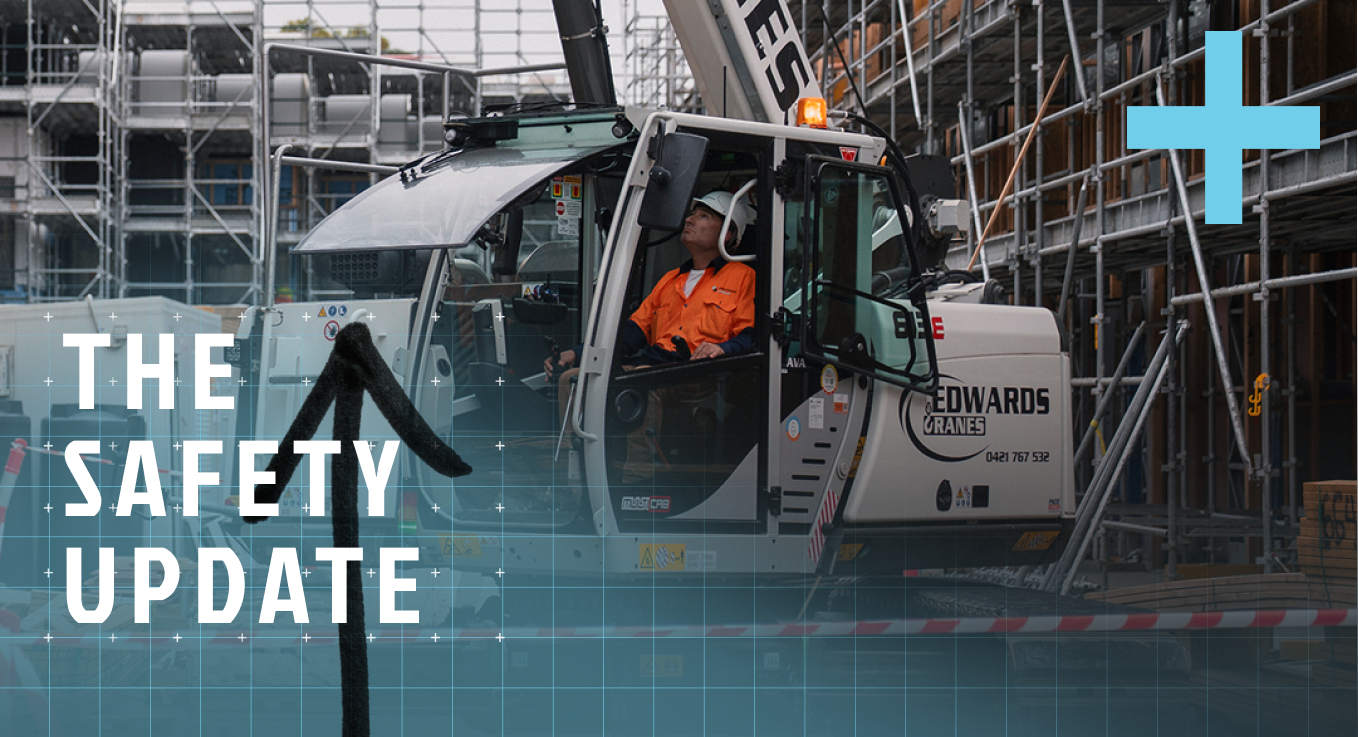
- Crane lifts, concrete pours and large deliveries that take up part of the road
- Lane, footpath or full road closures
- Signs, bollards or speed limit changes on high volume roads
- Events, markets, parades and filming on public roads
Very small, short jobs that don't affect traffic may not need a full TMP. Whether yours qualifies depends on the road authority and the type of road, so always check before you start rather than assuming.
Who Asks for a TMP?
Road authorities
To work in a road reserve in Victoria you'll usually need consent or a permit from the road authority responsible for that road:
- Department of Transport and Planning (DTP): freeways and arterial roads
- Local councils: local roads and most footpaths in their area
A TMP is normally part of your application. If any signs or bollards need to go on a Category 2 (high volume) road, you'll also need a Memorandum of Authorisation (MOA). This applies whether or not the speed limit changes.
Principal contractors and clients
Even where a permit isn't needed, principal contractors and clients often require a TMP as part of their workplace health and safety obligations. Many won't let traffic management start on site without one.
Rules and Standards a TMP Should Follow in Victoria
In Victoria, temporary traffic management is guided by:
- The Road Management Act 2004
- The Code of Practice for Worksite Safety – Traffic Management
- The Austroads Guide to Temporary Traffic Management (AGTTM), which Victoria has adopted
- AS 1742.3, the Australian Standard for traffic control at works on roads
- The Occupational Health and Safety Act 2004
Other states have their own versions of these rules, so a TMP written for another state won't automatically work in Victoria. Queensland, for example, follows its own Manual of Uniform Traffic Control Devices (MUTCD) and Department of Transport and Main Roads requirements. If your project is in Queensland, your TMP needs to be written for those requirements instead.
Who Can Write a Traffic Management Plan?
Under the national framework, TMPs and Traffic Guidance Schemes are prepared by a qualified Traffic Management Designer (TMD). Once the plan is approved, Traffic Management Implementers (TMIs) set up and maintain the layout on site, and traffic controllers manage traffic with stop/slow bats.
You don't have to manage this yourself. Point Force Group has a dedicated Traffic Management Designer who prepares TMPs and TGS in-house for projects in Victoria and Queensland. We can also lodge your permits and supply the crew to run the plan on the day.
Tips for a Smooth TMP Approval
- Apply early. Councils and DTP can take time to review applications, especially for closures or work on busy roads.
- Be accurate about timing. Night works, peak hours and weekend works can change what's required.
- Think about every road user. Plans that leave out pedestrians, cyclists or public transport are often sent back.
- Plan for changes. If your works move through different stages, each stage may need its own TGS.
- Line up your crew. An approved plan only works if you've got enough qualified people on site to deliver it.
Traffic Management Plans and Permits from Point Force Group
Point Force Traffic takes care of traffic management from the first site visit through to the last shift, for projects across Victoria and Queensland. Our traffic planning services include:
- Traffic Management Plans (TMPs)
- Traffic Guidance Schemes (TGS)
- REG 116 plans
- Swept path analysis
- Council permit applications
- Memorandum of Authorisation (MOA) applications (VIC)
- Working within the road reserve (WWRR) consent (VIC)
- Road corridor permit applications with the Department of Transport and Main Roads (QLD)
- Free site consultations
Once your plan is approved, we can supply qualified traffic controllers and implementers, along with a fully equipped fleet, to deliver it. One team covers both the paperwork and the people, which means fewer handovers and fewer delays.
We work on commercial and residential construction, civil and road projects, council maintenance, public services and healthcare sites, and major events across Melbourne, regional Victoria, Brisbane and the Gold Coast. Point Force Group Pty Ltd holds Victorian labour hire licence VICHL01830.
Find out more about our Traffic division, or see our local pages for Traffic Management Melbourne, Traffic Control Brisbane and Traffic Control Gold Coast.
Book a free site consultation for your traffic management plan
Frequently Asked Questions
Is a traffic management plan a legal requirement in Victoria?
If your works affect a road or footpath, the road authority will usually require one before giving consent, and your OHS duties mean you need to manage the risks to workers and the public. A TMP is the standard way to do both.
How long does it take to get a TMP approved?
It depends on the road authority, the type of road and how complex the works are. Simple jobs on local roads can be fairly quick, while closures on arterial roads take longer. Build in plenty of lead time.
Do I need a TMP for a one-day job?
Possibly. How long the job lasts matters less than whether it affects traffic. A single crane lift that closes a lane still needs proper traffic management.
Can I use the same TMP for multiple sites?
No. TMPs are site and scope specific, so each site needs its own plan based on its road, traffic conditions and works.
What's the difference between a TMP and a TGS?
The TMP is the full plan for managing traffic. The TGS is the set of diagrams inside it showing where signs, cones, barriers and traffic controllers go. Many people in the industry use "TMP" to mean both.
Can Point Force Group write my traffic management plan?
Yes. Our dedicated Traffic Management Designer prepares TMPs and Traffic Guidance Schemes in-house. We also handle council permit, MOA and WWRR consent applications, and can supply the traffic control crew to put the plan in place. Site consultations are free.
Do you offer traffic management plans in Queensland?
Yes. Point Force Traffic prepares TMPs and Traffic Guidance Schemes, handles road corridor permit applications with the Department of Transport and Main Roads, and supplies traffic control crews across Brisbane, the Gold Coast and surrounding areas. We also cover Melbourne and regional Victoria. Every plan is written for the rules of the state the works are in.
Further Reading
Other news & insights
Stay informed with the latest industry news, expert insights, and project updates from Point Force Group.