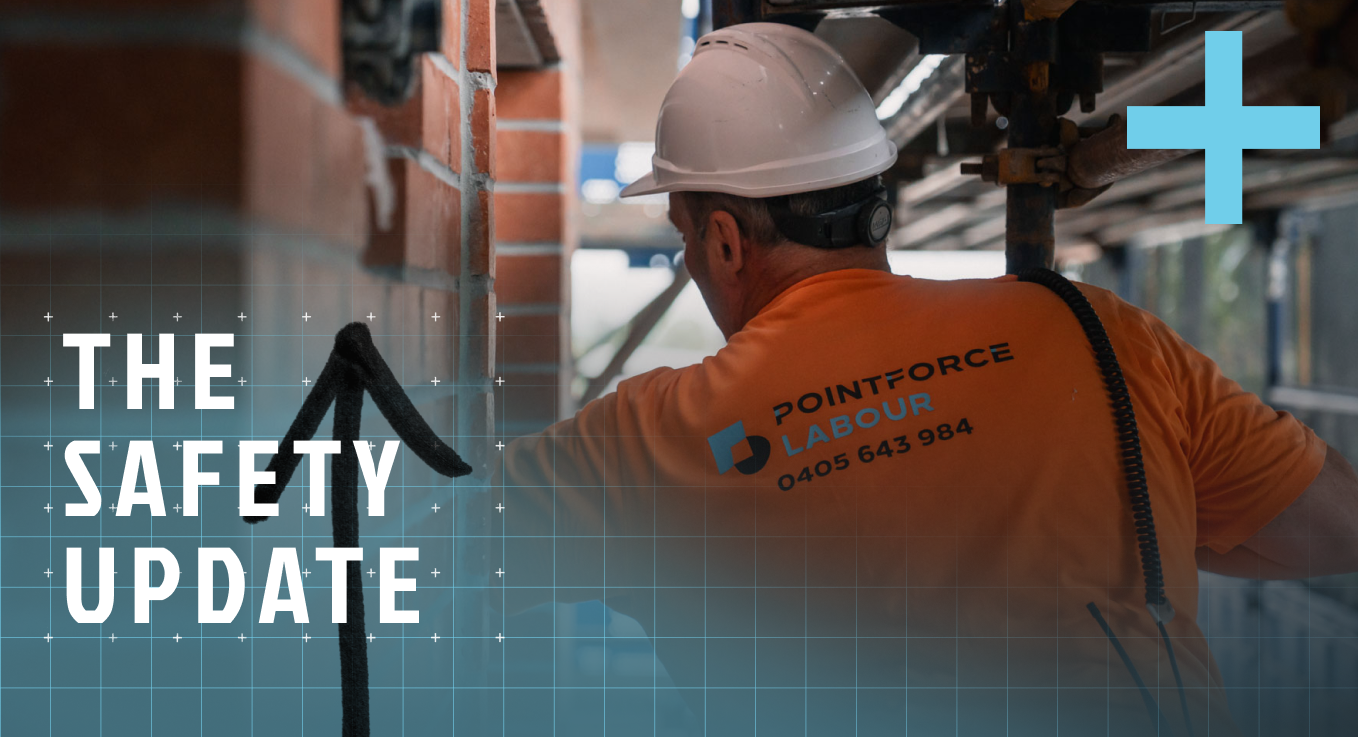
The Safety Update
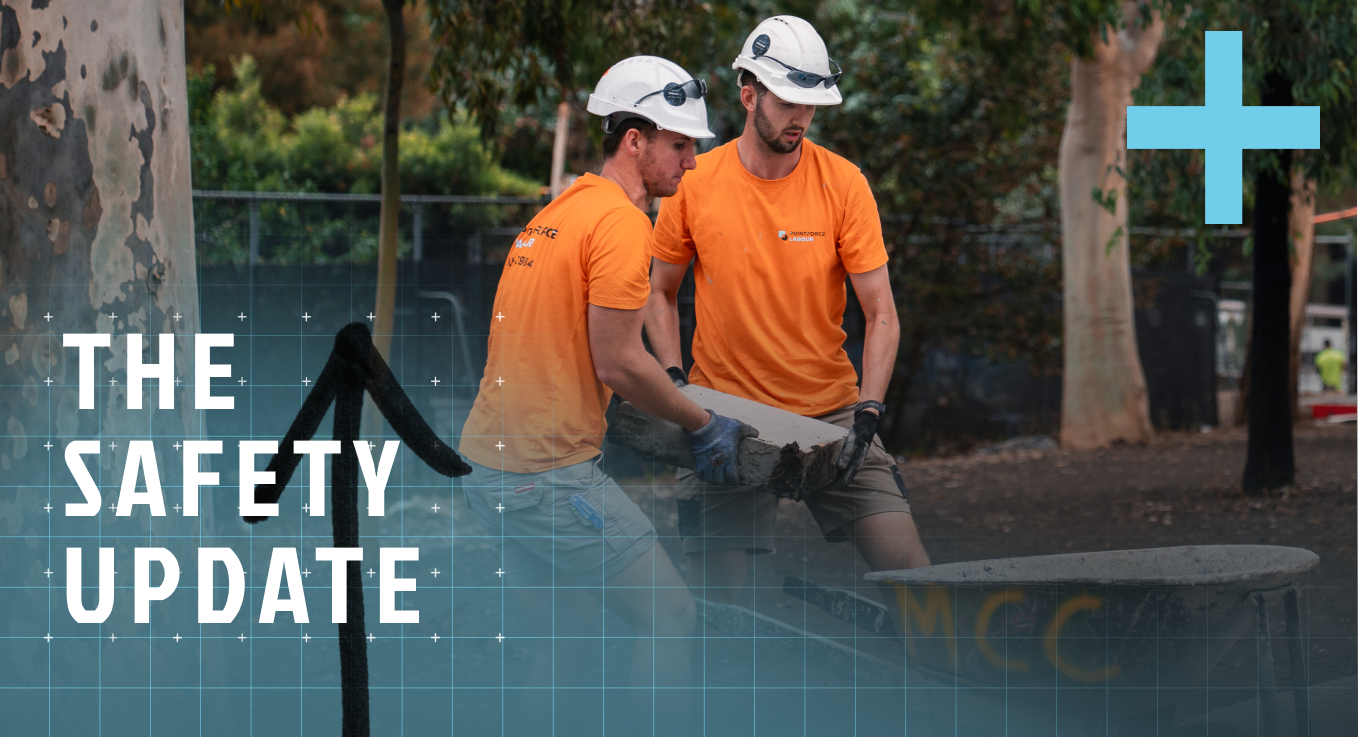
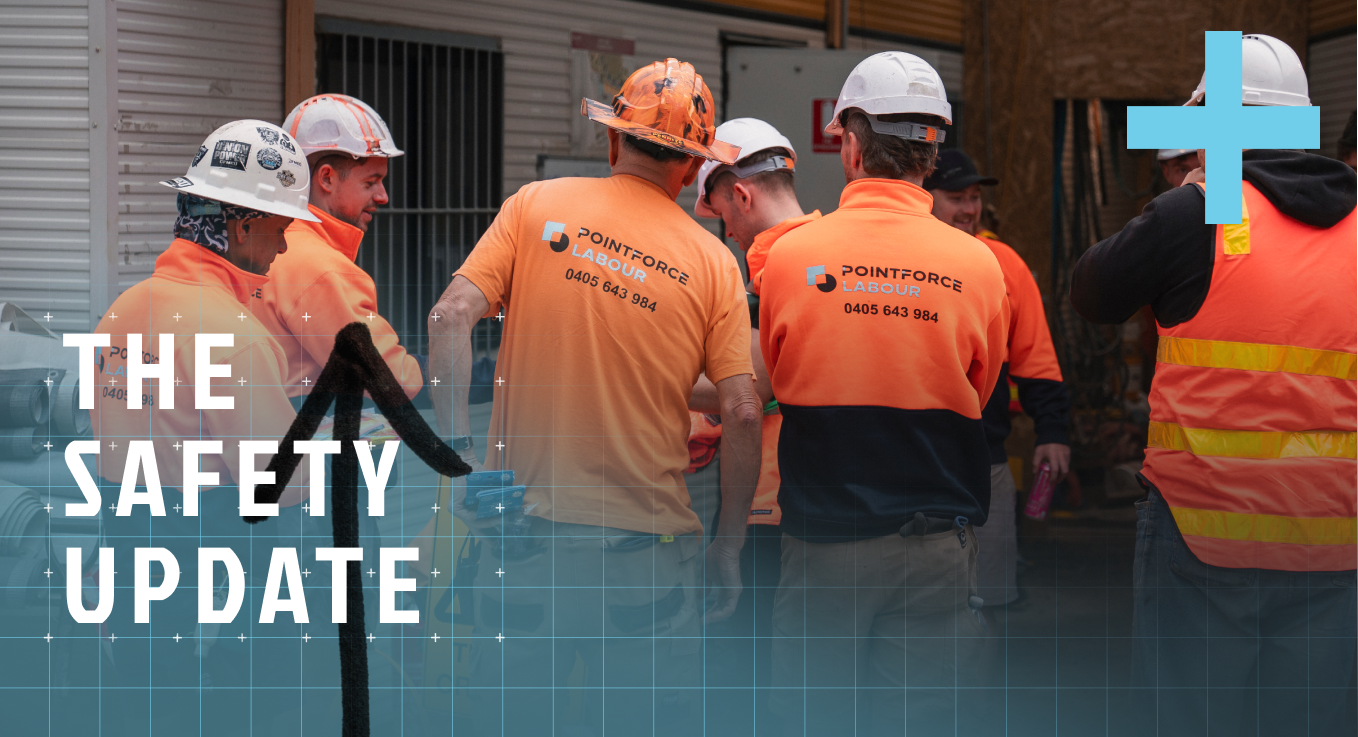
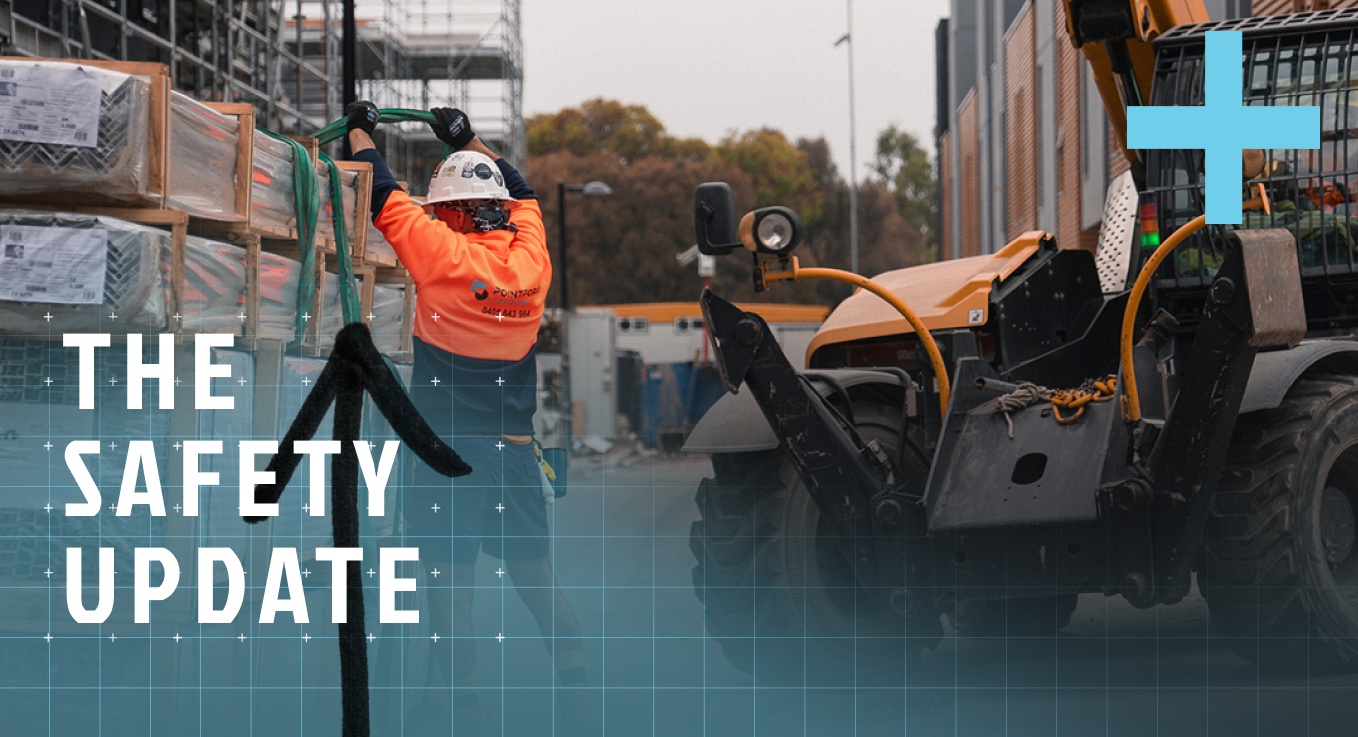
The Safety Update - Hazardous Manual Handling


Hazardous manual tasks aren’t just about heavy lifting. Repetitive movement, sustained awkward postures and performing the same physical tasks for extended periods can place just as much strain on the body over time.
The danger is that this strain often builds gradually, making it easy to overlook until discomfort develops into a more serious injury. Recognising the early warning signs, varying tasks, using the right equipment and maintaining good working positions can all help reduce the risk.
Preventing injury starts with knowledge that even simple tasks can potentially become hazardous when repeated often enough.
What is a Hazardous Manual Task:
- Repetitive movement: Repeating the same motion can place ongoing stress on muscles and joints.
- Awkward postures: Bending, twisting, crouching or reaching for extended periods can increase fatigue and strain.
- Cumulative strain: Small amounts of stress can build across shifts, eventually leading to injury.
Repetitive Movements:
Repetitive tasks are a common part of site work, but performing the same movement for extended periods can lead to fatigue and strain. Staying aware of how your body feels, rotating tasks and communicating early with your site supervisor can help keep you safe throughout the shift.
- Recognise the warning signs: Watch for fatigue, stiffness, discomfort or reduced control during repetitive tasks.
- Rotate tasks: Change activities where possible to reduce strain and maintain safe technique.
- Take breaks and speak up: Take short breaks to reset and tell your supervisor about any discomfort early.
Holding Sustained Awkward Postures:
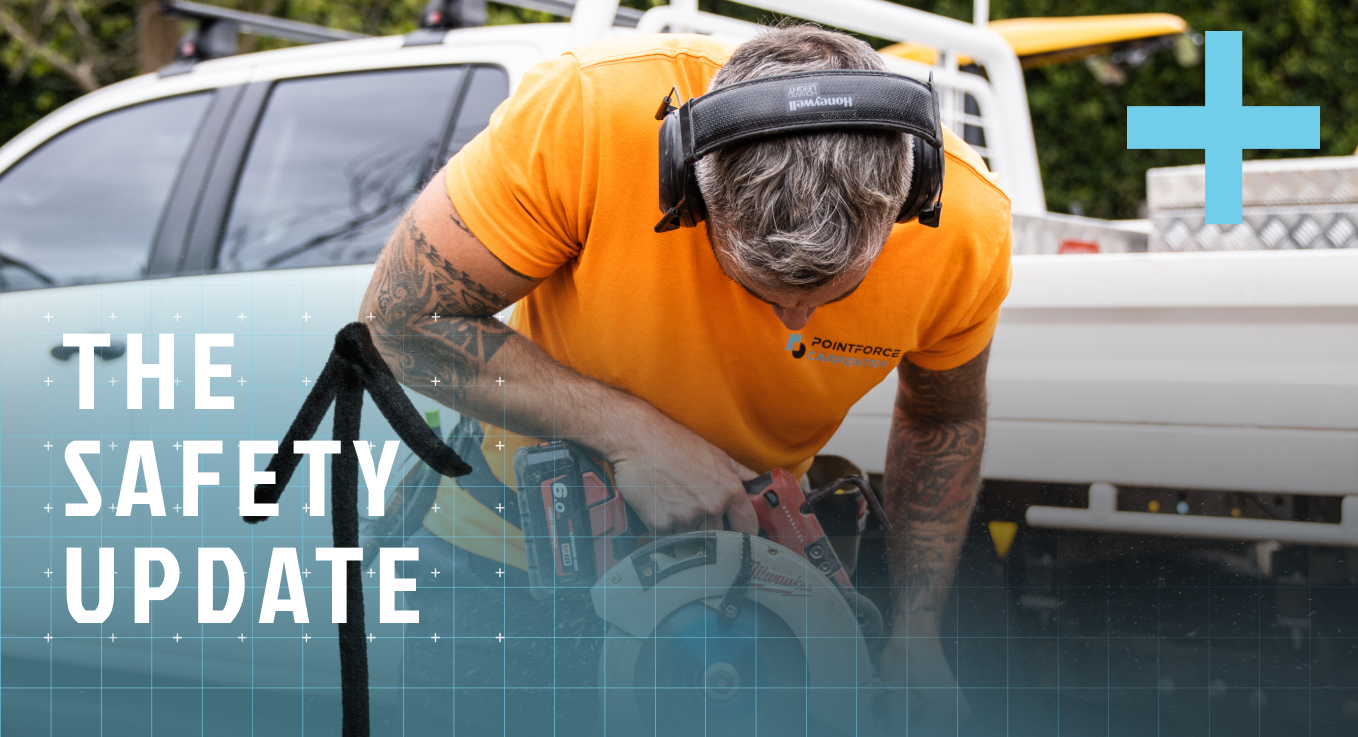
Holding an awkward position for too long can lead to fatigue and strain. Adjust your position, work setup or approach to keep the task safe and manageable.
- Change position: Avoid staying bent, twisted or crouched for extended periods.
- Adjust your setup: Work at a comfortable height where possible to avoid hunching.
- Flag ongoing issues: Tell your supervisor if a task repeatedly forces you into an awkward posture, as different equipment or an alternative approach may be needed.
If you Feel Discomfort:
Small aches and discomfort can be early warning signs of strain. Acting early can help prevent them from developing into a more serious injury.
- Avoid aggravation triggers: Avoid staying bent, twisted or crouched for extended periods.
- Report it early: Let your supervisor know as soon as you notice discomfort so it can be addressed before it worsens.
- Everyone speaks up: Early reporting applies to everyone on site, regardless of the task or role.
Key Takeaways:
Small adjustments throughout the shift can reduce fatigue, manage physical strain and help prevent injury. Stay aware of how your body feels and speak up early when something does not feel right.
- Rotate Tasks: Share repetitive tasks between workers where possible to reduce prolonged strain on one person.
- Change Position: Adjust your posture regularly and avoid staying bent, twisted or crouched for extended periods.
- Take Your Breaks: Use scheduled breaks to rest and reset. They are an important part of managing risk, not a bonus.
- Report Discomfort Early: Tell your supervisor about aches, pain or strain before they develop into a more serious injury.
Other news & insights
Stay informed with the latest industry news, expert insights, and project updates from Point Force Group.