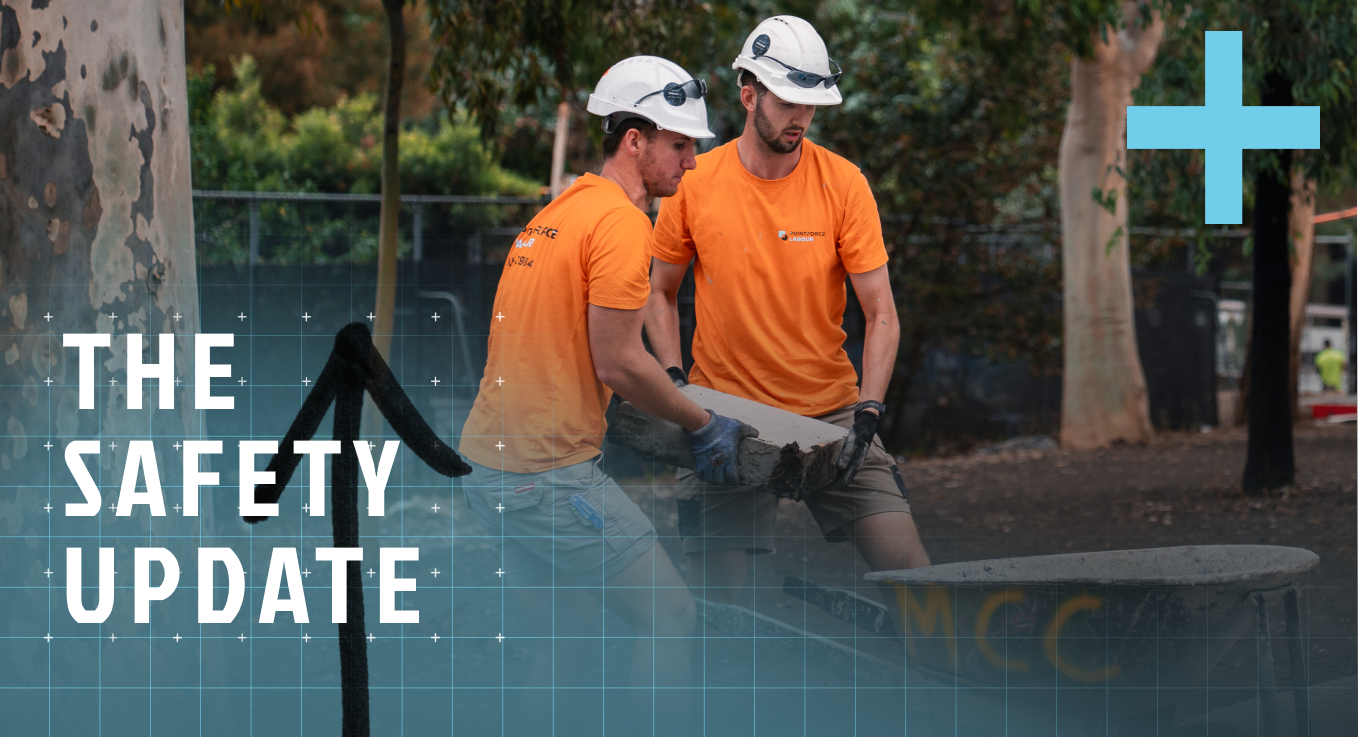
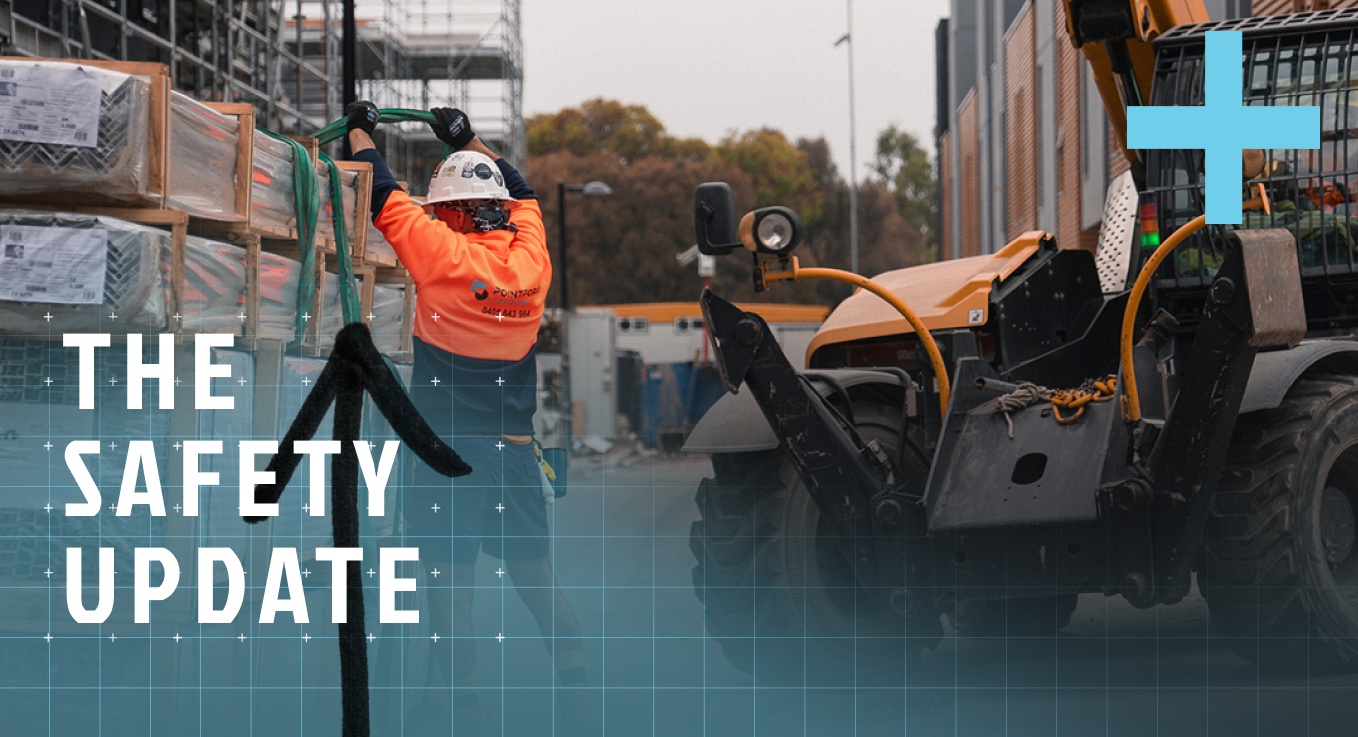
The Safety Update
The Safety Update - Avoiding Complacency With Repetitive Tasks


Complacency is a recognised contributing factor in workplace incidents, particularly on tasks performed repeatedly without variation. As familiarity with a task increases, perceived risk decreases, even where the actual level of risk has not changed.
This creates a gap between how safe a task feels and how safe it actually is, and that gap is where most routine-task incidents occur. A new site, new task or new piece of equipment naturally prompts increased caution, but a familiar task on a familiar site rarely gets the same response, despite carrying comparable risk.
Preventing complacency starts with recognising that a task doesn't become safer just because it's been done many times before.
Signs of Complacency:
- Reduced Checks: Early exposure to a task usually involves close attention, checking grip, load, position and surroundings, but with repetition these checks are often reduced or skipped without a conscious decision to do so.
- Assumed Oversight: Where the same team works together consistently, individual verification steps can be assumed to have already been done by someone else, reducing overall oversight.
- Normalised Near Misses: An event that "worked out" despite an unsafe act or missed step can start to feel like proof the current approach is fine, rather than a warning sign.
How Complacency Develops:
Complacency builds gradually rather than appearing all at once. Repetitive manual handling, routine movement around plant, and frequently performed lifting or positioning tasks are common contexts where this happens, simply because the task no longer triggers a heightened risk response.
- Heightened Attention Fades: Checks that were automatic early on can drop away as a task becomes familiar.
- Familiarity Isn't Safety: A familiar task on a familiar site can carry the same risk as a new one, even though it doesn't feel that way.
- Watch Routine Tasks Closely: The tasks done most often are usually the ones most worth double-checking.
Complacency Within a Team:
Complacency isn't just individual. Where the same group works together consistently, it's easy to assume someone else has already checked something, and that assumption can spread across the whole team.
- Don't Assume It's Covered: Verify steps yourself rather than assuming a teammate already has.
- Speak Up on Site: If oversight feels like it's slipping across the team, raise it rather than letting it continue.
- Shared Habits, Shared Risk: A team's habits shape how much risk everyone is carrying, not just one person.
Near Misses and Warning Signs:
Near misses are one of the clearest indicators that complacency has crept in. Treating a "close call" as evidence the current approach works, rather than as a warning, is how the same gap keeps getting missed.
- Report Every Near Miss: These should always be reported to Point Force Group, not brushed off because nothing went wrong.
- Treat It as a Warning: A near miss is a sign something needs correcting, not proof the task is safe as is.
- Look for the Missed Step: Every near miss points to a check or step that didn't happen the way it should have.
Key Actions:
If a task feels routine, that's the cue to double-check, not switch off. Familiarity isn't the same as safety.
- Identify Routine Tasks: Think about which tasks on your site are performed often enough to be considered routine.
- Check What's Been Skipped: Consider whether any checks or steps have been reduced or missed over time on these tasks.
- Double-Check the Familiar: Treat routine tasks with the same attention as new ones, not less.
- Report Near Misses: Always report near misses to Point Force Group so they can be addressed properly.
Other news & insights
Stay informed with the latest industry news, expert insights, and project updates from Point Force Group.