THE SAFETY UPDATE
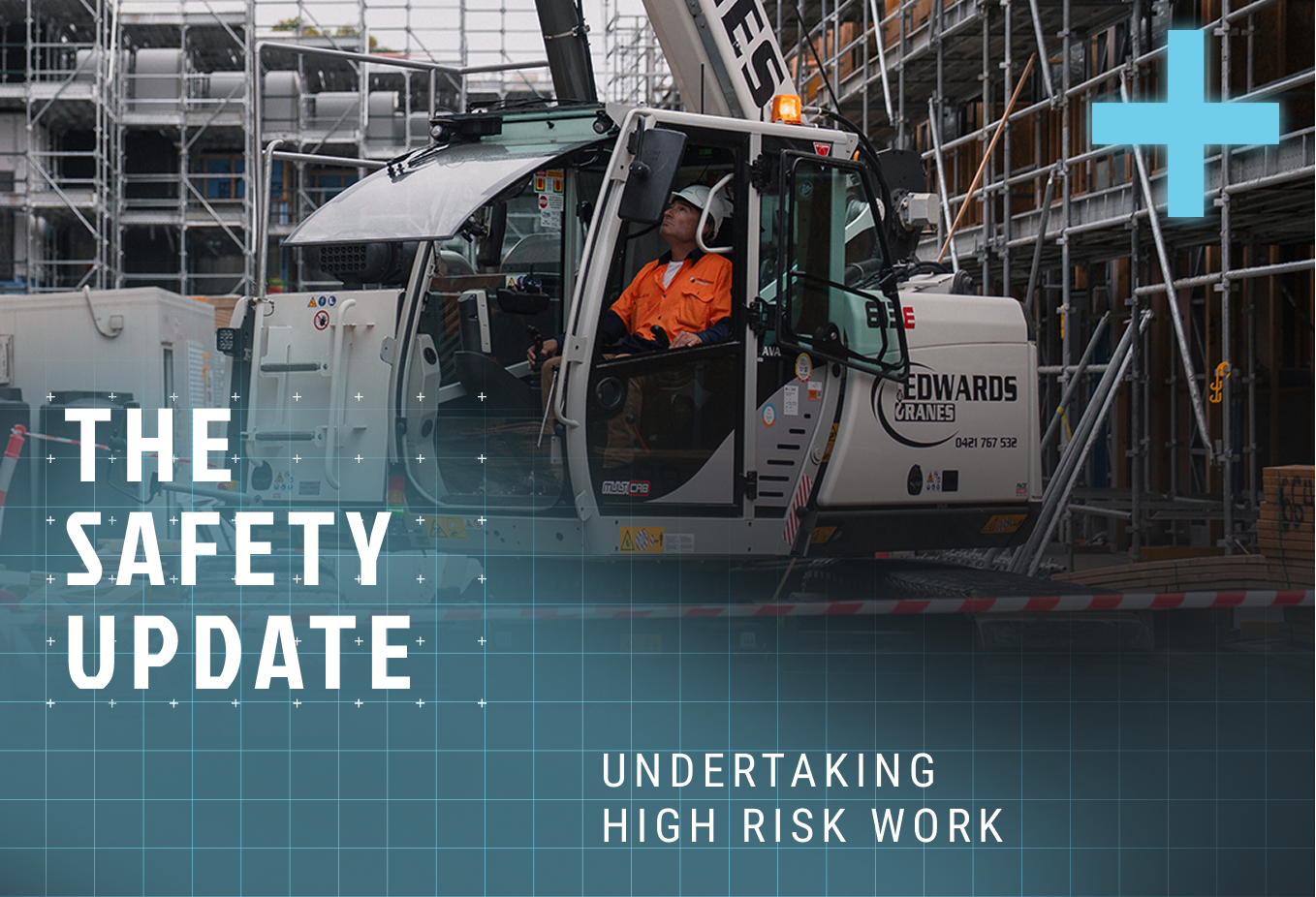
UNDERTAKING HIGH RISK WORK
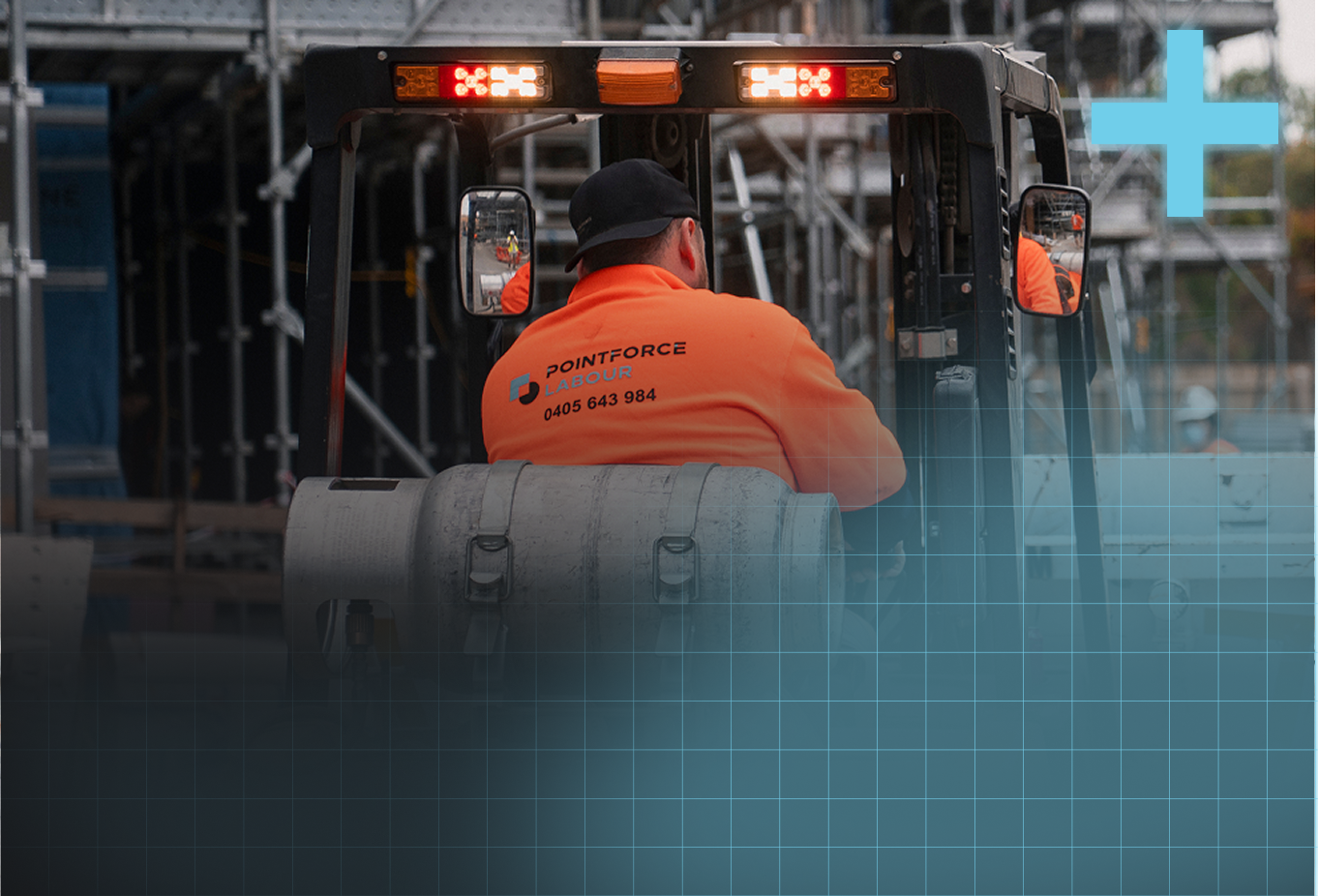

In this edition, we're focusing on something that sits at the heart of everything we do: high-risk work and your responsibilities on site.
Whether you're a labourer or a traffic controller, you operate in environments where the stakes are high and the margin for error is small. Understanding your obligations and following correct procedures isn't just about compliance, it's what keeps you and everyone around you safe. This newsletter serves as a timely reminder of what's expected of you and how we can all contribute to a safe and professional site culture.
HIGH RISK ENVIRONMENT
Most of the work we do involves high-risk activities such as:
+ Working around live traffic.
+ Operating near mobile plant and heavy vehicles.
+ Manual handling.
+ Changing site conditions.
WHAT WE EXPECT FROM YOU
On any site you attend:
+ Follow the principal contractor/Point Force rules and SWMS.
Don’t just sign them, understand them.
+ Only carry out tasks you are trained, competent and authorised to do.
+ If you are unsure, stop and ask.
+ Stay clear of exclusion zones, especially around plant & traffic.
+ Wear and maintain your PPE at all times.
RISKS
As labour hire workers, there are additional risks:
+ You may be unfamiliar with the site layout.
+ You may receive instructions from multiple people.
+ There can be pressure to get the job done quickly.
Do not take on tasks you are not trained or authorised to do. You have the right to refuse unsafe work. If you are ever unsure then please notify you supervisor and contact Point Force Group immediately.
COMMUNICATION
There are usually multiple parties involved on site. Point Force workers, host employer/Principal contractor and supervisors.
WHS/OHS legislation requires all parties to consult, cooperate and coordinate to ensure safety. This only works if:
+ You report hazards and near misses.
+ You report injuries early, even if minor.
+ You speak up if something does not seem right.
If you receive conflicting instructions from multiple sources, stop and get clarity before proceeding. If you still feel unclear, contact your Point Force supervisor immediately.
REMEMBER:
Report all accidents and near misses to your on-site supervisor and Point Force Group contact.
COMMON CAUSES OF INCIDENTS
Most incidents come down to:
+ Rushing.
+ Fatigue.
+ Poor communication.
+ Taking shortcuts.
+ Performing tasks outside of your role or competency level.
FINAL TAKEAWAY
The law requires that a workplace is safe so far as reasonably practicable but this only works if everyone takes responsibility. Stay alert, follow site systems, and speak up if something is unsafe.
Other news & insights
Stay informed with the latest industry news, expert insights, and project updates from Point Force Group.